 EN
How to Reduce Film Waste with a Premade Pouch Packaging Machine?
2026/09/20
Premade Pouch Machines: Reduce Film Waste, Cut TCO & Achieve Faster ROI

2026/10/05
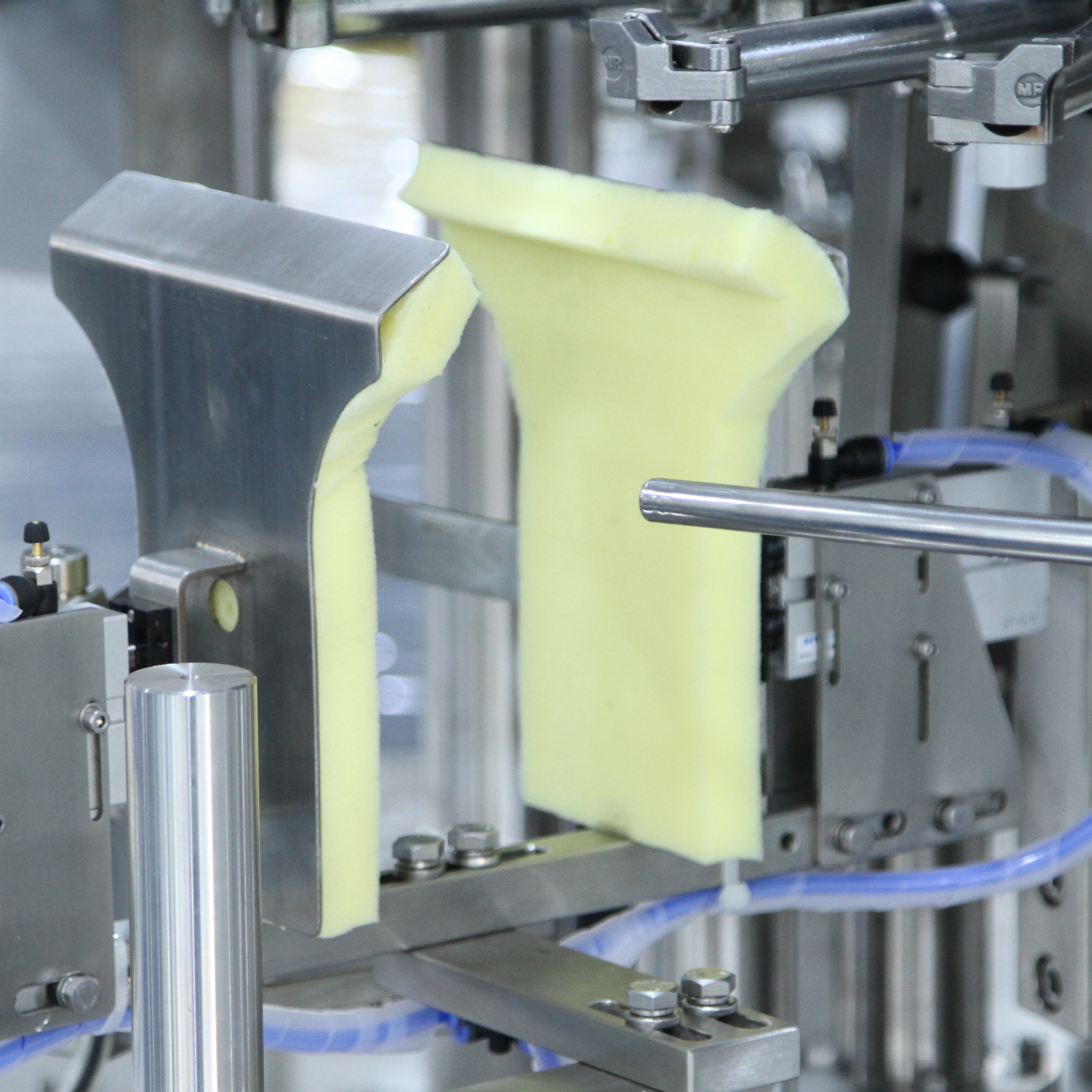
The ready meal industry demands precision, speed, and reliability at every stage of production. A rotary vacuum packing machine has become the cornerstone technology for manufacturers seeking to deliver fresh, safe, and shelf-stable products to consumers. Unlike traditional packaging methods, this equipment combines vacuum sealing with continuous rotation, enabling simultaneous processing of multiple packages while maintaining absolute control over atmospheric conditions. Understanding why a rotary vacuum packing machine matters for ready meals goes beyond simple preservation—it directly impacts product quality, regulatory compliance, operational efficiency, and consumer trust.
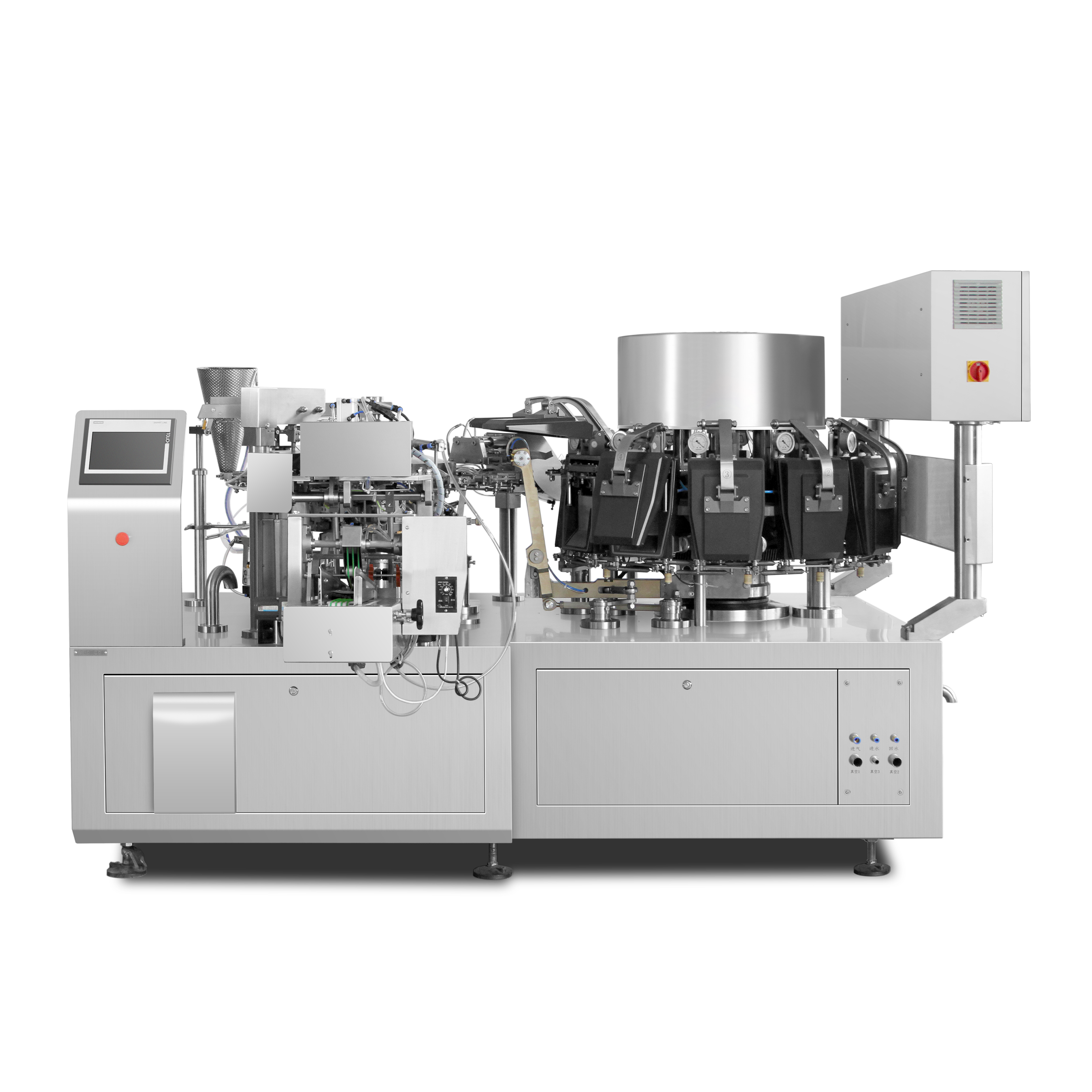
Ready meals face unique preservation challenges. They contain multiple ingredients with varying moisture content, fat levels, and bacterial susceptibility. Standard packaging leaves residual oxygen that accelerates oxidation, spoilage, and nutrient degradation. A rotary vacuum packing machine removes up to 99 percent of oxygen, dramatically slowing microbial growth and chemical breakdown. This translates into extended shelf life without requiring excessive preservatives, which modern consumers actively avoid. The investment in a rotary vacuum packing machine therefore becomes a competitive advantage that directly reflects consumer preference and product integrity.
The primary function of any rotary vacuum packing machine is to eliminate oxygen before sealing. Oxygen accelerates lipid oxidation, color fading, and bacterial growth—all critical concerns for ready meals containing fats, proteins, and fresh vegetables. When a rotary vacuum packing machine removes oxygen, it creates an anaerobic environment that inhibits aerobic pathogens and spoilage organisms. This mechanism alone can extend shelf life by 300 to 500 percent compared to standard air-filled packaging. For manufacturers producing lasagna, stir-fries, curries, and prepared vegetable dishes, this benefit translates into reduced waste, fewer recalls, and improved inventory turnover. The vacuum seal created by a rotary vacuum packing machine also prevents moisture loss, keeping textures and flavors intact throughout the distribution cycle.
Ready meals lose sensory appeal and nutritional value when exposed to oxygen and light during storage. A rotary vacuum packing machine seals products in an oxygen-depleted state, preserving vitamins, minerals, and natural flavors far more effectively than standard methods. This is especially important for ready meals containing vitamin C-rich ingredients, fresh herbs, or delicate spices. By using a rotary vacuum packing machine, producers ensure that consumers receive products with flavor and nutrition profiles closest to freshly prepared food. The rotary mechanism itself allows consistent vacuum levels across every package, eliminating variability that occurs with manual or batch-style vacuum sealers. This uniformity in preservation quality enhances brand reputation and supports premium pricing strategies.
Unlike stationary vacuum machines that process one or two packages sequentially, a rotary vacuum packing machine operates on a continuous carousel system. Multiple packages rotate through vacuum and sealing stations simultaneously, delivering output rates between 5 and 30 packages per minute depending on machine size and configuration. This throughput capability is essential for ready meal manufacturers serving retail chains, foodservice distributors, and meal-kit companies. Deploying a rotary vacuum packing machine dramatically reduces per-unit labor costs and allows smaller production teams to handle larger volumes. The rotary design also permits integration with automated feeding systems, further minimizing manual intervention and human error. For facilities running 16 to 24-hour production schedules, a rotary vacuum packing machine becomes the keystone technology that enables profitable scaling without proportional increases in staffing.
Commercial-grade rotary vacuum packing machine equipment is engineered for durability and easy maintenance. Stainless steel construction resists corrosion from moisture and food residue, while modular vacuum sealing bars allow quick replacement without stopping the entire line. Many modern rotary vacuum packing machine models feature programmable vacuum cycles, pressure adjustments, and dwell times that operators can fine-tune for different product types. This flexibility means a single rotary vacuum packing machine can handle prepared salads, cooked proteins, vegetables, and combination meals without major retooling. Scheduled maintenance intervals are predictable and straightforward, reducing unexpected breakdowns that cost manufacturers thousands per hour in lost production. The reliability of a rotary vacuum packing machine therefore represents hidden savings that accumulate across annual operating budgets.
Food safety regulations across North America, Europe, and Asia increasingly mandate vacuum-sealed packaging for ready meals containing multiple protein and vegetable ingredients. A properly calibrated rotary vacuum packing machine ensures consistent vacuum levels that meet HACCP, FDA, and ISO standards. Documentation of vacuum settings, seal quality, and cycle parameters becomes part of food safety records, providing traceability in the event of product recalls or customer complaints. Using a rotary vacuum packing machine with integrated pressure sensors and automation controls generates audit trails that satisfy third-party certifiers and regulatory inspectors. This compliance capability protects manufacturers from fines, reputation damage, and supply chain disruptions. Retailers and institutional food buyers increasingly require proof that vacuum packing was performed at validated parameters—a requirement a rotary vacuum packing machine fulfills with measurable precision.
Modern consumers equate vacuum-sealed ready meals with quality and safety. The visible vacuum seal on packaging signals to buyers that the product has undergone professional preservation. A rotary vacuum packing machine creates uniform, professional-grade seals that reinforce this perception and differentiate premium products from lower-cost alternatives. Clear labeling of vacuum-packed ready meals also supports marketing messaging around freshness, allergen control, and portion precision. The consistency delivered by a rotary vacuum packing machine means every package meets the same seal quality standard, eliminating weak seals that could leak, spoil, or fail in distribution. This reliability directly supports customer satisfaction, repeat purchases, and positive online reviews—intangible but measurable returns on equipment investment.
A rotary vacuum packing machine can process virtually all ready meal categories: prepared lasagna, curry kits, stir-fries, cooked rice and grain bowls, protein-vegetable combinations, soups in structured trays, and even fresh salad kits in modified atmosphere packaging setups. The key is matching tray dimensions and food consistency to the machine's specifications. Liquids, marinated proteins, and delicate vegetables all benefit from vacuum sealing, though settings must be optimized to prevent crushing or excessive liquid extraction during the vacuum cycle.
Shelf life extension depends on initial product composition, storage temperature, and starting microbial load. Typically, ready meals packaged with a rotary vacuum packing machine achieve refrigerated shelf life of 14 to 21 days compared to 5 to 7 days for air-packed alternatives. Frozen ready meals may reach 12 to 18 months with vacuum packing, significantly outperforming standard sealed packages. These timeframes assume proper cold chain maintenance and initial food safety protocols.
A commercial-grade rotary vacuum packing machine ranges from $15,000 to $100,000 depending on carousel size, automation level, throughput capacity, and material construction. Smaller tabletop models suitable for artisanal or emerging producers start around $8,000, while large-scale systems with integrated labeling and automated conveyors exceed $150,000. Return on investment typically occurs within 18 to 36 months through reduced waste, extended shelf life premiums, and labor cost savings.

2026/09/20
Premade Pouch Machines: Reduce Film Waste, Cut TCO & Achieve Faster ROI

2026/09/20
Cut Premade Pouch Machine Changeover Time by 40% with Proven Best Practices

2026/09/20
Premade Pouch Machines: Boost Throughput, Cut Waste & Improve ROI

2026/09/20
Rotary vs Inline Premade Pouch Machines: Speed, ROI & Scalability Compared

2026/09/20
Premade Pouch Machine: Boost Throughput, Cut Labor Costs & Improve Seal Integrity

2026/09/21
Premade Pouch Machine: Pouch Types, Materials & Filling Guide

